
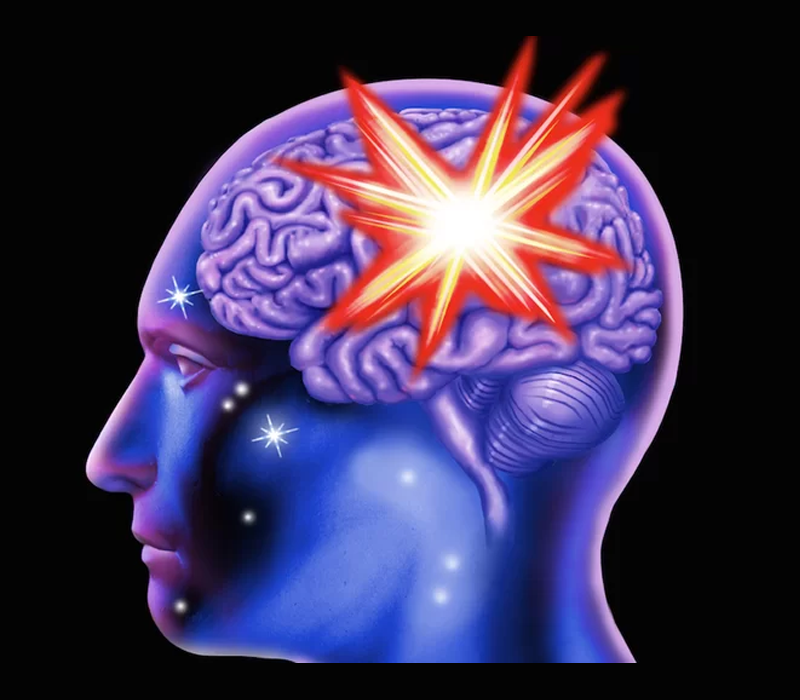
What is a Brain Hemorrhage?
A brain hemorrhage, also called an intracranial hemorrhage, occurs when a blood vessel inside the skull bursts or leaks, causing bleeding in or around the brain. The pooling blood puts pressure on nearby brain tissue, reducing oxygen supply and damaging brain cells. A brain hemorrhage is a medical emergency that requires immediate evaluation and treatment.
Types of Brain Hemorrhage
- Intracerebral hemorrhage — bleeding directly within the brain tissue
- Subarachnoid hemorrhage — bleeding in the space between the brain and its surrounding membranes, often caused by a ruptured aneurysm
- Subdural hemorrhage — bleeding between the brain surface and its outer covering, commonly linked to head injury
- Epidural hemorrhage — bleeding between the skull and the outer membrane covering the brain, usually following trauma
Common Causes
- Uncontrolled high blood pressure
- Rupture of a cerebral aneurysm or arteriovenous malformation (AVM)
- Head injury from a fall, accident, or sports trauma
- Blood-thinning medications or bleeding disorders
- Weakening of blood vessel walls due to age or underlying disease
Symptoms to Watch For
- Sudden, severe headache, often described as “the worst headache of my life”
- Weakness or numbness on one side of the body
- Sudden vision changes or double vision
- Confusion, slurred speech, or difficulty understanding others
- Loss of balance or coordination
- Seizures
- Nausea or vomiting
- Loss of consciousness
A brain hemorrhage is a medical emergency. If you or someone nearby experiences these symptoms, seek emergency care immediately — early treatment significantly improves outcomes.
How is a Brain Hemorrhage Diagnosed?
Rapid, accurate diagnosis is essential. Evaluation typically includes:
- A focused neurological examination
- CT scan to quickly identify the location and extent of bleeding
- MRI for more detailed imaging when needed
- Cerebral angiography to check for an underlying aneurysm or AVM
Treatment Options
Treatment depends on the size, location, and cause of the bleed, and may include:
- Medical management — medications to control blood pressure, reduce brain swelling, and prevent further bleeding
- Surgery — a craniotomy or minimally invasive procedure to remove the accumulated blood and relieve pressure on the brain
- Treating the underlying cause — such as securing a ruptured aneurysm or AVM to prevent re-bleeding
- Close monitoring — in an intensive care setting during the critical early period
Recovery and Rehabilitation
Recovery from a brain hemorrhage varies widely depending on its severity and location. Many patients benefit from a structured rehabilitation program involving physical, occupational, and speech therapy to regain strength, coordination, and independence. Our team supports patients and families throughout the recovery journey, from the emergency phase through long-term follow-up.